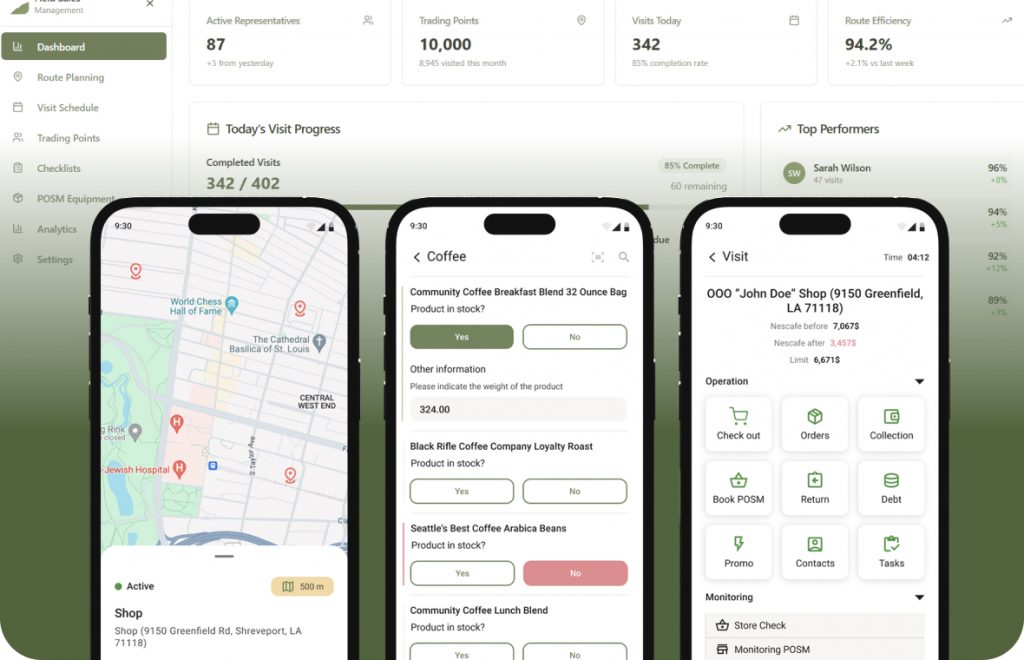
CRM for distributors
Call management, stock control, and network analytics in a single system
A major manufacturer operated a network of 60 distributors and more than 10,000 retail points across the country. Everyone worked differently: some kept notes in a notebook, others used Excel, others relied on memory. The client came with a clear request: “We need one unified system.”
Distributors were acting inconsistently: some called without a schedule, some kept their own tables, and some kept all the data in their heads.
As a result, the manufacturer was losing visibility over the network and approached us with the task of building a unified CRM that would bring order to communication and sales.
Problems we addressed
No call planning
Distributors called stores randomly. New products were communicated chaotically, promotions were announced late, and important information was often lost.
Loss of inventory visibility
No one clearly understood what was happening on store shelves. Which items were running out, which were stuck, whether deliveries needed adjustment — everything became known by accident.
Unstructured communication
Calls turned into casual conversations. There was no clear script: what to clarify, what to inform about, which data to update, when to schedule the next contact.
Slow response to store needs
If a store needed an urgent delivery, the usual answer was “We’ll pass it to the manager.” By the time someone reacted, customers were already turning to competitors and the opportunity was gone.
No way to track coordination
Management couldn’t see how often distributors contacted stores, what information they communicated, and how well the network was coordinated overall.
A complete system for managing phone-based sales
We built a CRM system for Nomium that transformed unstructured, chaotic communication into a streamlined partner-network management process
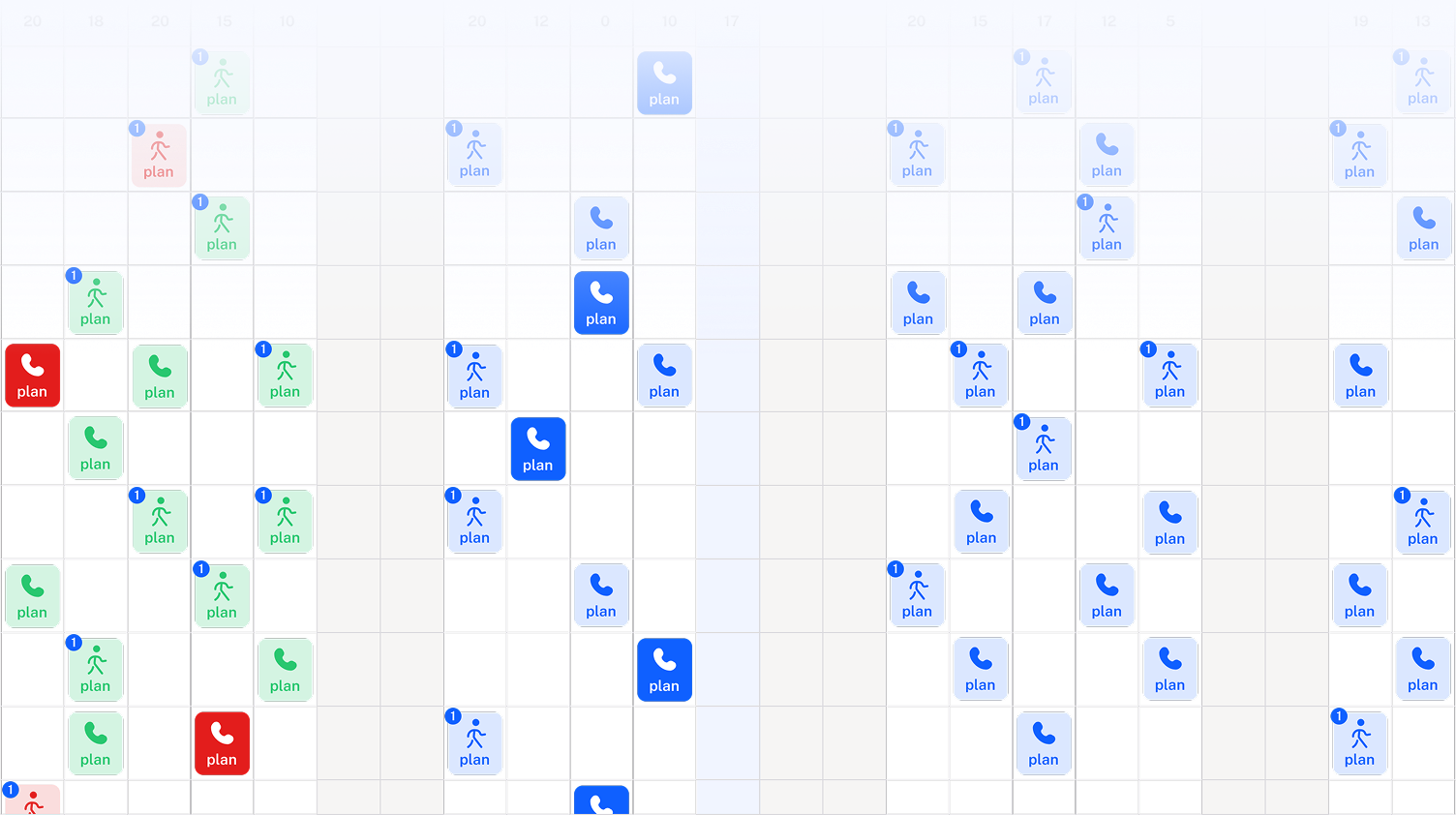
Smart communication scheduling
The system automatically plans regular contacts with each store. It takes into account turnover volume, delivery frequency across categories, seasonal assortment changes, important events such as promotions or new product arrivals, and the distributor’s workload.
Flexible priority management
A distributor can adjust the auto-generated plan: add urgent calls, reschedule contacts, and set reminders for follow-up calls.
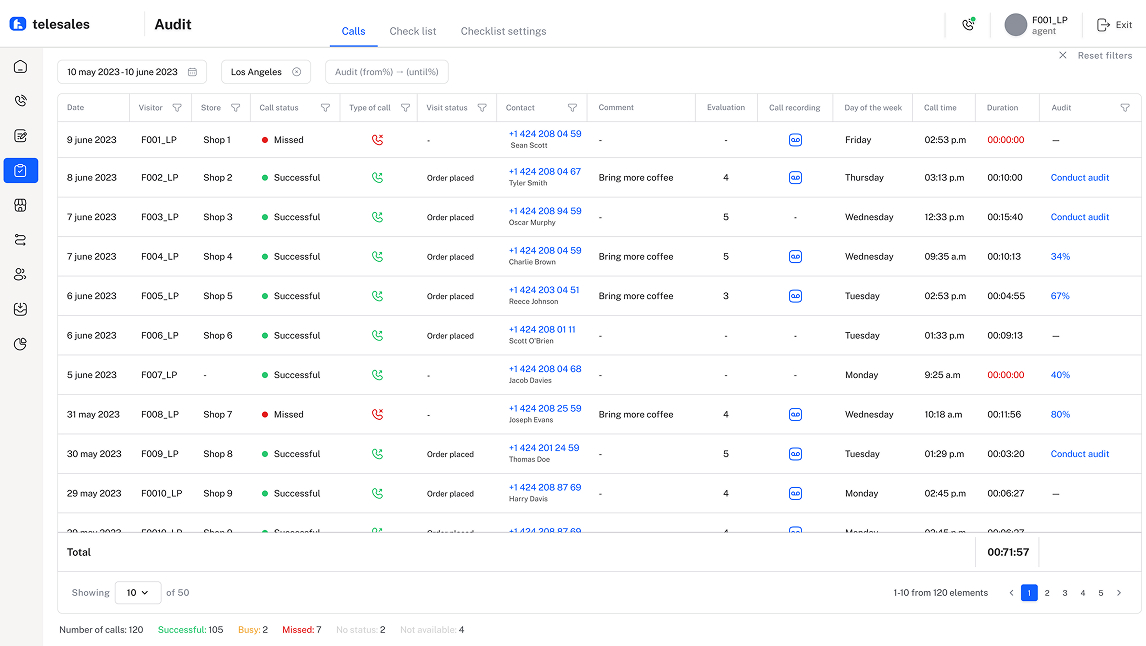
Integrated communication system
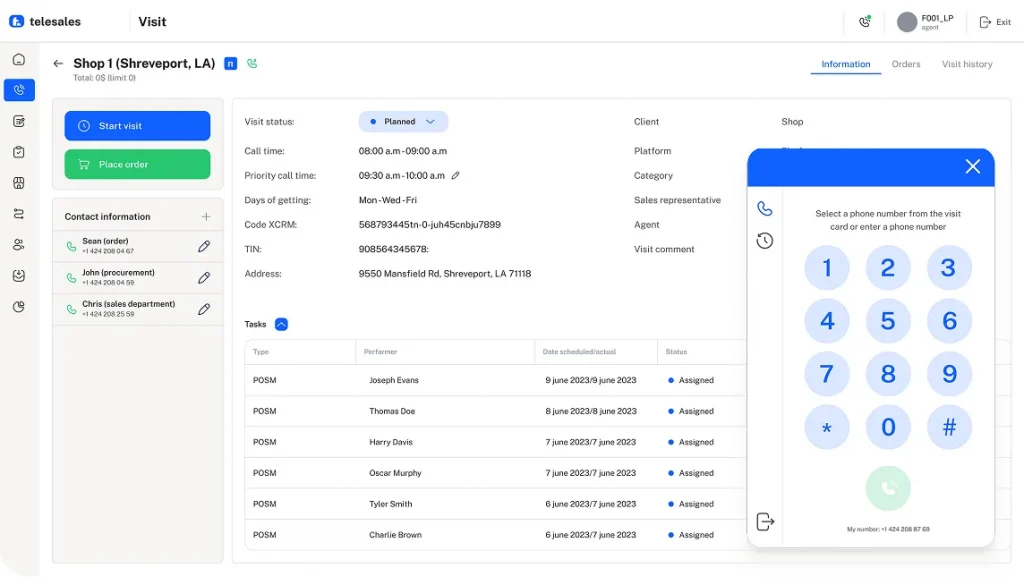
Click-to-call allows distributors to instantly connect with any retail point. During the call, they can see current stock levels, sales dynamics by category, planned deliveries, new items to announce, and the full history of previous interactions.
Structured interaction protocol
The system provides a clear script for each contact. The distributor checks stock levels of key products, informs stores about new items and promotions, identifies needs for additional deliveries, updates contact data, and schedules the next interaction.
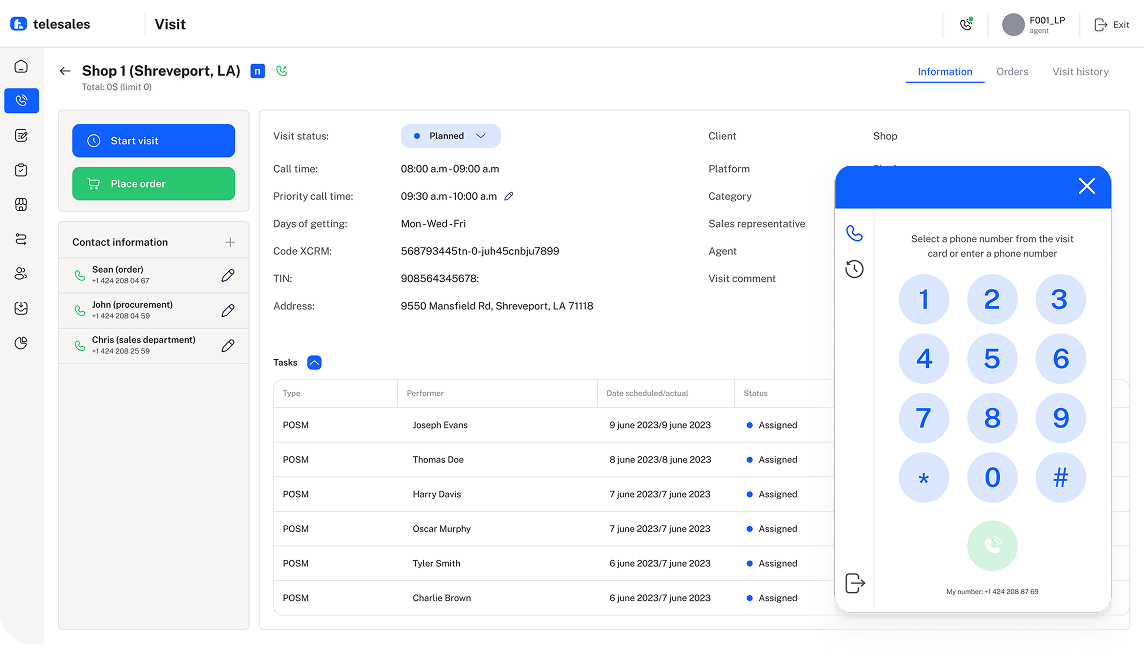
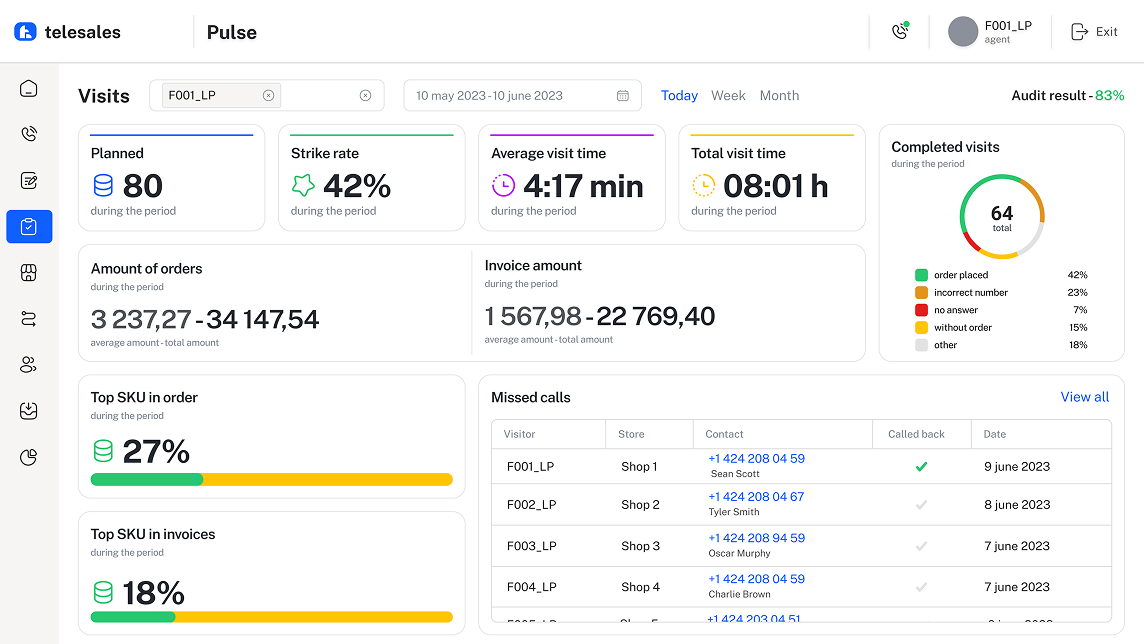
Network performance dashboard
The system provides a clear view of how the network actually operates. It tracks the frequency of contacts with each store, response speed to store requests, effectiveness of new-product communication, turnover dynamics by location, and the quality of coordination across regions.
Distributor performance oversight
Managers can see how each distributor handles their territory: whether they follow the communication schedule, how quickly they respond to requests, and what results their zone delivers.
Results of coordination optimization
Increase in contact frequency
Scheduling helped distributors stay in regular contact with every retail point.
Reduction in response time
Automatic routing and fast requests cut reaction time from hours to minutes.
Higher awareness of new products
The structured approach ensured stores received timely information about promotions and new items.
Full network transparency
Management now has a clear view of coordination performance across all regions and distributors.
Project results
We built a system that transformed the distributor network from a collection of independent actors into a coordinated structure. Chaotic communication turned into a structured process for managing the entire partner network.
Effective distribution is the result of coordinated interaction across the chain, where every participant understands the needs of others and responds quickly.
Key insightOther projects we have delivered
We transform ideas into successful solutions with proven expertise.