
What Is an NFT Marketplace? Meaning, Types, and How It Works
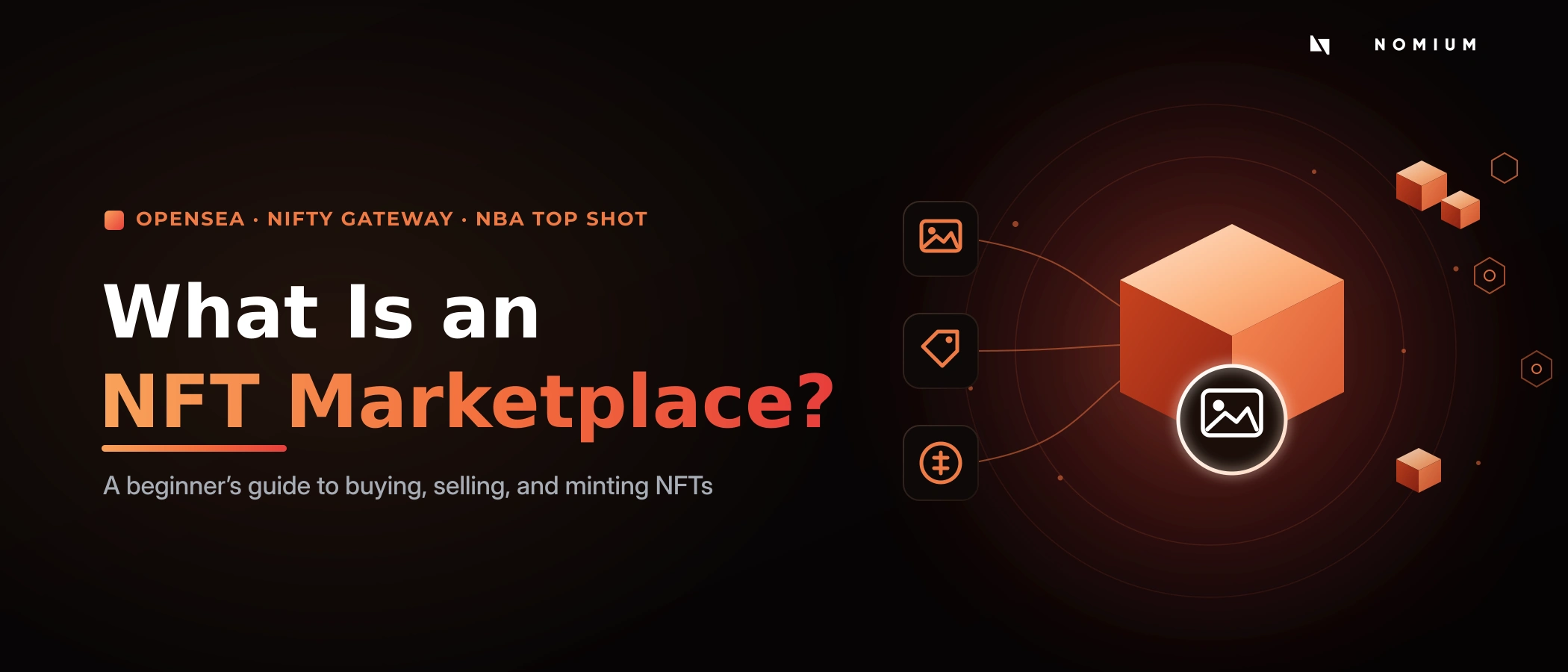
An NFT marketplace is an online platform where users mint, buy, sell, and trade non-fungible tokens (NFTs). NFTs are unique digital assets whose ownership is recorded on a blockchain. An NFT marketplace works similarly to a platform for selling and purchasing physical products, although instead of actual products, every listing on an NFT marketplace represents a token that will be transferred through a smart contract.
In terms of the types of digital products traded on an NFT marketplace, there are various categories: digital art, gaming assets, music, video clips, domain names, and virtual world property. A creator creates a new token on the NFT marketplace, a buyer pays cryptocurrency or, on certain marketplaces, with a credit card, and the blockchain network registers who the owner of that particular token is. As the information is stored on a distributed ledger, it cannot be changed afterward, which is why NFTs and NFT marketplaces have become an accepted part of the digital asset economy and not just a fad.
In simple terms, the short answer to what is nft marketplace is this: an online platform where buyers and sellers purchase NFTs and mint them with provable ownership.
How Does an NFT Marketplace Work?
Each NFT marketplace operates on similar principles, although the interface, fees, and the blockchain network differ from platform to platform.
A user needs to link his/her crypto wallet to the website in order to start using the NFT marketplace. The crypto wallet stores the cryptocurrencies and, after purchasing NFTs on the platform, stores those NFTs. Creators have the option to mint new tokens by uploading a file to the platform and specifying the parameters of the token (supply, blockchain network, etc).
When a listing is made, a buyer can either:
- Purchase an item at a fixed price
- Place a bid for an auctioned item
After the sale is confirmed, the token is transferred to the buyer’s wallet through the smart contract that is executed through the blockchain network. Along with transferring the NFT, the smart contract transfers the price of the item to the seller, while taking marketplace and gas fees for executing the transaction.
Another important feature of how an NFT marketplace works is royalties that go to the original creator after every resale of the item.
Types of NFT Marketplaces
There are two main types of NFT marketplaces: general purpose marketplaces and niche marketplaces.
General-purpose NFT marketplaces allow for minting and selling any category of NFTs, without prior approval and can accommodate any type of creator. Such marketplaces have the highest volume and the largest selection of digital assets.
Niche NFT marketplaces specialize in one specific category of digital items, curating the listings and building a community around that particular use case.
Niche marketplaces are very common in the following categories:
- Art and digital art collections
- Gaming items and in-game assets
- Videos and short form clips
- Event tickets
- Avatars and profile pictures
- Virtual fashion for virtual world environments
- Domains issued as tokens
- Collectibles (sports clips and trading card style drops)
Popular NFT Marketplaces
OpenSea is the largest general-purpose NFT marketplace. It supports multiple blockchain networks, including Ethereum and other EVM-compatible networks and lists digital art and collectibles, gaming items, and domain names.
Nifty Gateway is a curated marketplace with selected creators that allows for minting and selling NFTs with drops from established digital artists. NBA Top Shot is a niche sports collectibles marketplace that is built on Flow, a blockchain created by Dapper Labs, allowing for buying and selling tokenized video highlights of basketball games (called Moments) rather than static images.
The majority of the NFT marketplaces work on the Ethereum network because it was the first blockchain network to popularize ERC-721 and ERC-1155 token standards, however, the number of NFT marketplaces that support Binance Smart Chain, Polygon, and Solana (and other blockchains with low gas fees) continues to grow.
How to Buy NFTs
Typically, people who buy and sell NFTs follow a certain procedure regardless of the NFT marketplace they chose:
- Set up a crypto wallet and buy necessary cryptocurrency
- Link the wallet to the marketplace
- Browse the listings or search for a particular NFT collection
- Buy it at the stated price or place a bid if the item is auctioned
- Confirm the transaction in the wallet and pay gas fee for the network
Some of the best NFT wallets for buying NFTs are MetaMask, Coinbase Wallet, and Trust Wallet that support the most popular blockchain networks used by NFT marketplaces and allow users to sign transactions without sending private keys to the platform.
The cost of NFTs varies greatly, starting from a few dollars for a small collection piece to the amounts that are reported in headlines. The most expensive NFT sold until now was Beeple’s digital collage “Everydays: The First 5000 Days” that was auctioned at Christie’s in March 2021 for $69.3 million paid in Ether. This particular transaction remains the best proof of how much value the market has attributed to a unique digital file.
Thinking about launching your own NFT marketplace?
Nomium is a blockchain development agency with expertise in NFT marketplace development services. We assist startups that require a secure custom-built NFT marketplace, rather than an off-the-shelf solution.
How to Create an NFT
The process of turning a digital file into an NFT is called minting. In order to mint an NFT, a creator needs to do the following:
- Choose a blockchain network (the most common ones are Ethereum, Polygon, or Binance Smart Chain)
- Connect a crypto wallet to the chosen marketplace
- Upload the file and set a title, description and properties
- Choose the token standard (ERC-721 for a one-of-one item or ERC-1155 for a collection)
- Pay minting or gas fee and execute the transaction
- List the token for a sale or auction
Once minted, the NFT and its transaction history will remain permanent on the blockchain, making it possible for a buyer to verify ownership of the item.
How to Build an NFT Marketplace
Companies that want to build their own NFT marketplaces should take into account the need to develop multiple levels at the same time: smart contract development, token standards, wallet integration, off-chain database for browsing and searching, and front-end NFT marketplace platform.
This is why NFT marketplace development solutions from an experienced technology partner are needed in order to create an NFT marketplace. An NFT marketplace development service includes:
- Designing a smart contract and conducting a security audit independently
- Support for token standards on one or multiple blockchain networks
- Wallet integrations for MetaMask, Coinbase Wallet, etc
- Fixed-price and auction sale logic, including creator royalties
- Seller identity verification if needed
- Scalable back-end infrastructure for browsing, filtering, and analysis
NFT marketplace software development requires ongoing support after the launch of the platform since blockchain networks, token standards, and wallet APIs constantly evolve and need to be updated in order to maintain compatibility and security of the platform. Whether it is a single NFT marketplace development service such as a smart contract audit, or the whole platform, the ultimate goal of NFT development remains the same: it allows for creating a platform where creators can list their NFT token and where buyers can purchase and trade NFTs securely.
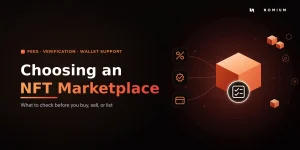
Choosing an NFT Marketplace
Not every NFT marketplace is suitable for every buyer or creator. Before choosing a particular platform, it is advisable to check the following aspects:
- Blockchain network and token standard supported by the marketplace
- Verification process of the creators and their collections
- Fees on the marketplace and gas fees, that are usually different between platforms
- Compatibility with the crypto wallet that a person uses
- Reviews and ratings from the prior buyers and sellers
Choosing a verified marketplace with transparent fees minimizes the chances of getting counterfeit listings, which is still one of the more common problems encountered by buyers as many NFT marketplaces do not check the listings beforehand. On-chain records of ownership and trading history of NFTs will help in determining whether a particular collection is authentic before placing a bid in the auction or purchasing at a fixed price.
Marketing an NFT Collection
Getting listed on a marketplace is only the first step; most successful NFT projects invest in distribution. NFT influencer marketing, where a well-established voice introduces a new collection to the audience, remains one of the most effective methods of reaching potential buyers ahead of a mint. Community channels and the reputation of the creator are as important as the artwork itself when it comes to turning interest into completed NFT transactions.
Rate this article!




Leave your comment