Vostok private blockchain
Data is stored within the corporate perimeter and is not accessible to third parties without permission.

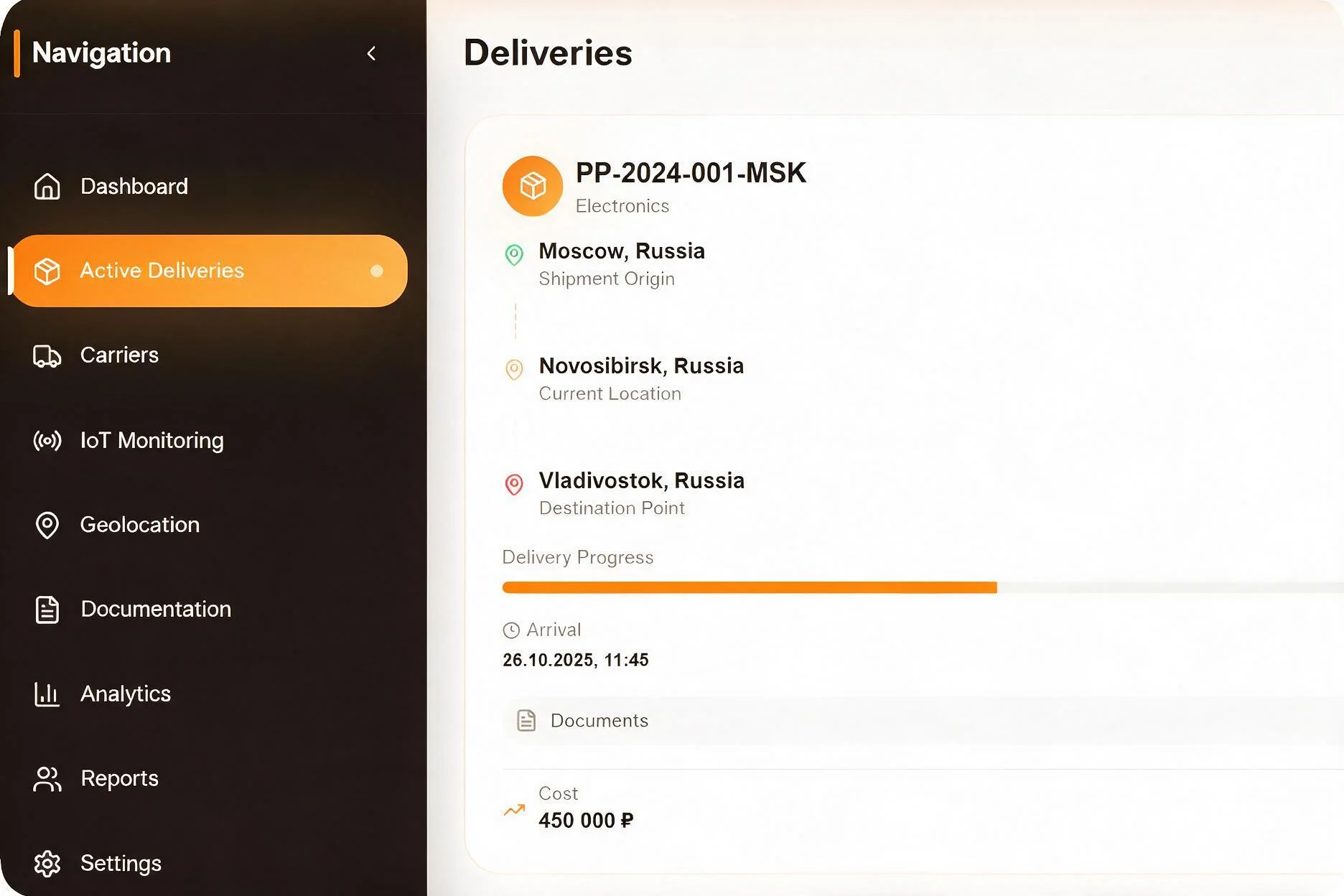
A web platform for a logistics company built on an enterprise blockchain
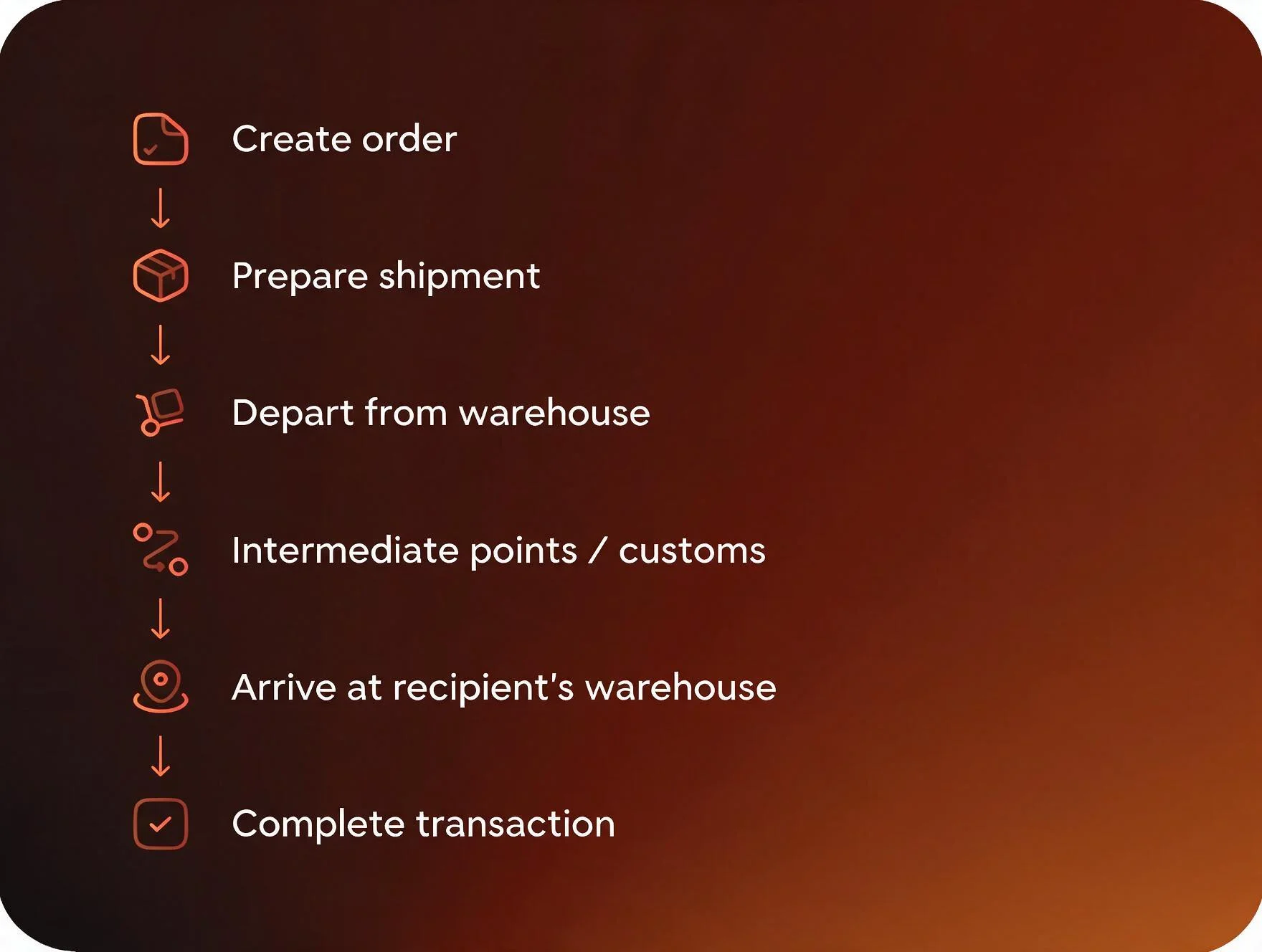
The task
In industrial logistics, a single shipment passes through dozens of participants: warehouses, carriers, customs, recipients. At every stage data is lost, deadlines shift, and information is stored in Excel and paper documents.
Because of this, documents take weeks to approve, cargo coordinates arrive late, and the reliability of contractors remains a matter of guesswork.
Our goal is to eliminate fragmentation and build a system in which every participant in the supply chain works in sync, with access to unified and reliable data in real time.
The logistics problem companies face every day

Lack of transparency
Cargo is delayed — and you find out too late. Disputes and losses follow.
Limited control
Ordinary GPS can’t detect overheating, humidity, impacts, or tampering.
Manual document flow
Signatures, approvals, and status changes take days and aren’t synchronized.
Disconnected participants
Everyone has their own system; a single view of the route is missing.
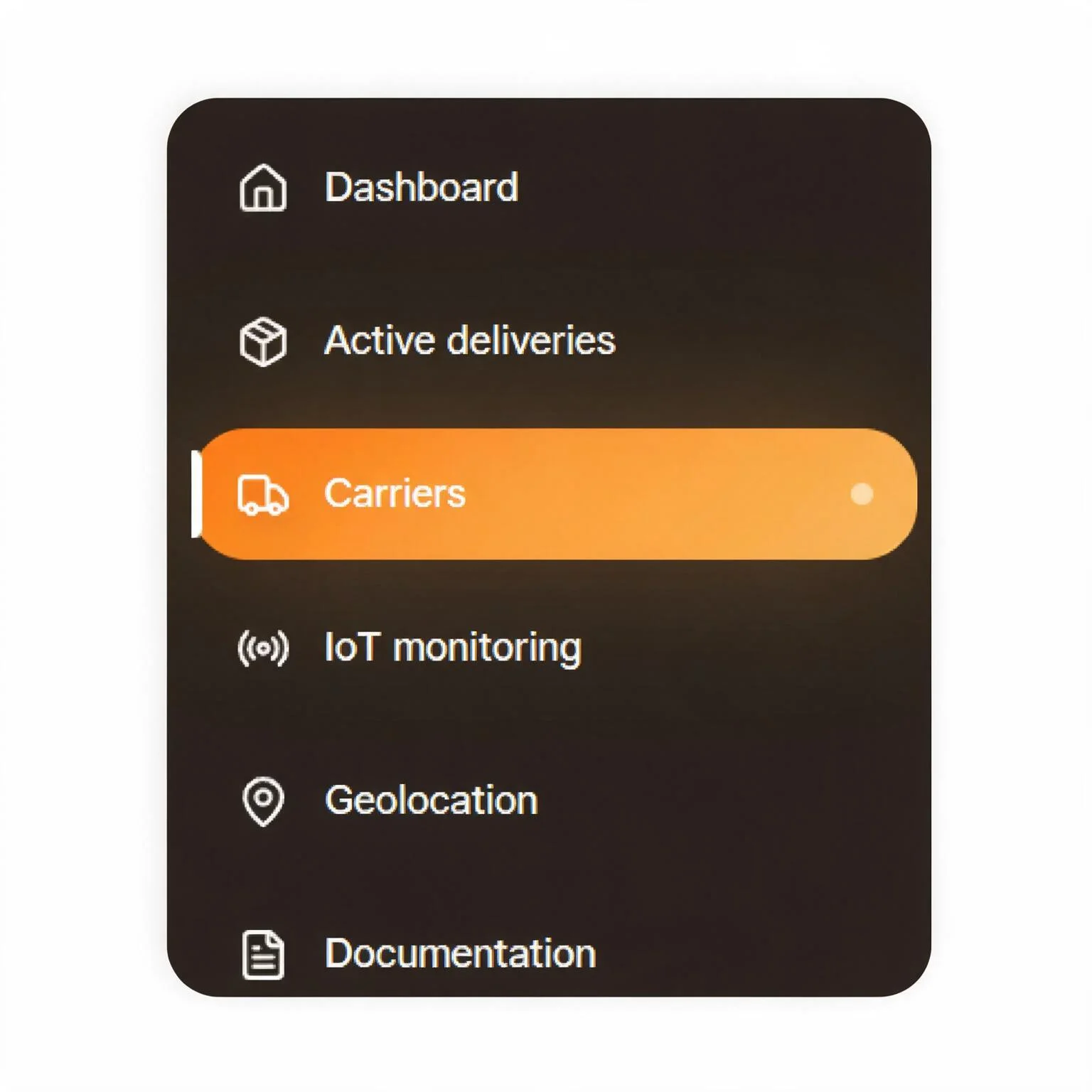
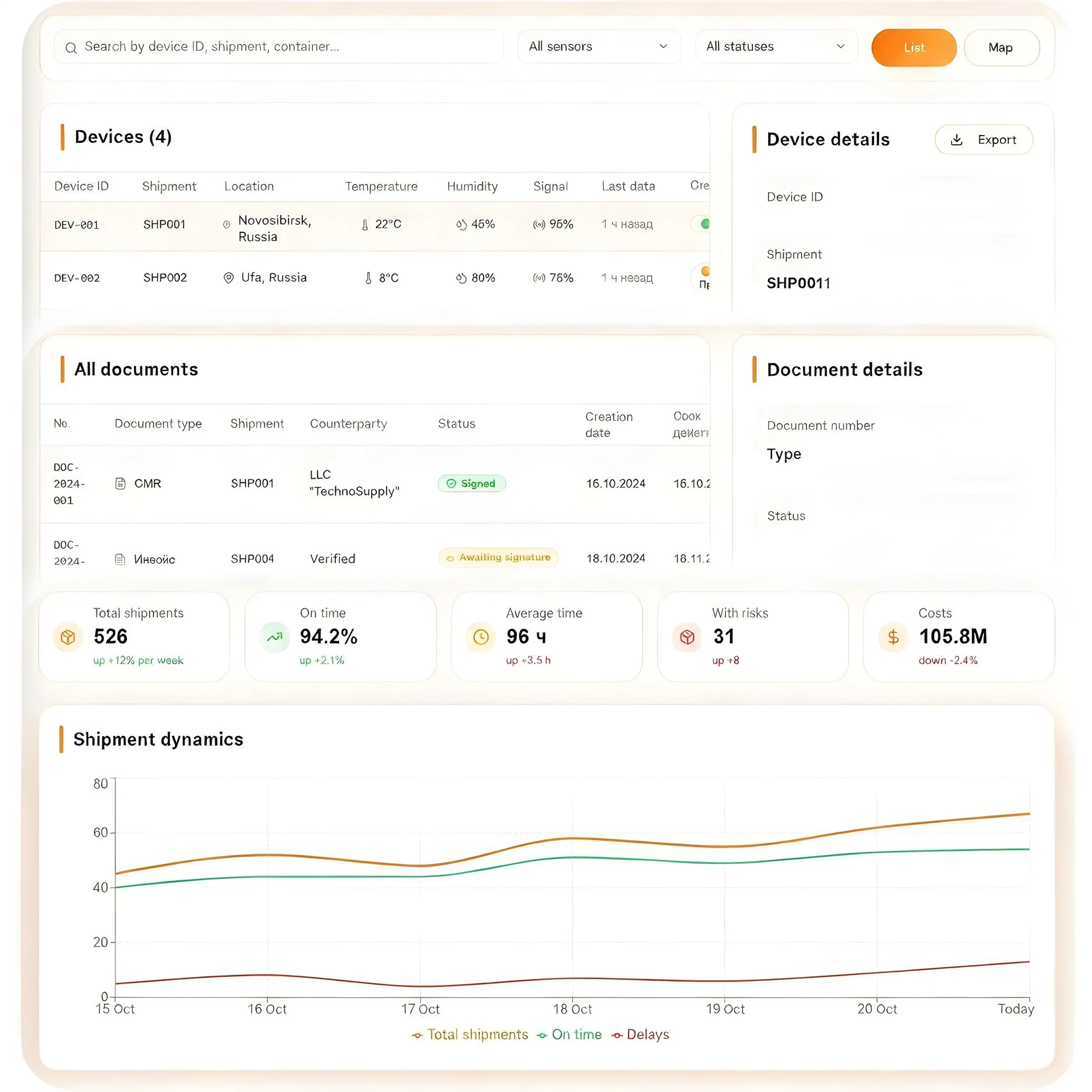
We developed a logistics platform that combines data collection from IoT sensors in real time, reliable recording of all events in a blockchain ledger, synchronization of all participants through a single digital space, and automation of key processes: telemetry, document flow, control, and analytics.
Data is stored within the corporate perimeter and is not accessible to third parties without permission.
Every action is recorded in a chronological log with no possibility of backdated editing.
Data transmission is encrypted, and each participant sees only the data they are authorized to access.
The system easily adapts to new scenarios, client requirements, and regulatory frameworks.

Smart logistics routes
Tracking transport conditions and automatic risk alerts
Supplier evaluation
Digital ratings and partner track records
Electronic deals
and agreements
Analytics
Quality indices, reports, deviations, forecasts1
2
3
4
5
–
–

A secure network built for B2B tasks. No single node can change data on its own.
Each participant in the system sees only the portion of information they need according to their rights and role.
All channels are secured, and data is automatically backed up across several nodes.
The system supports both Russian and international cryptographic algorithms according to the client’s requirements.
Unified data eliminates discrepancies — everyone relies on facts, not versions.
Unified data eliminates discrepancies — everyone relies on facts, not versions.
Electronic signatures and built-in approval processes eliminate paperwork and save time.
The system helps avoid downtime, suggests alternative routes, and reduces the risk of cargo damage.
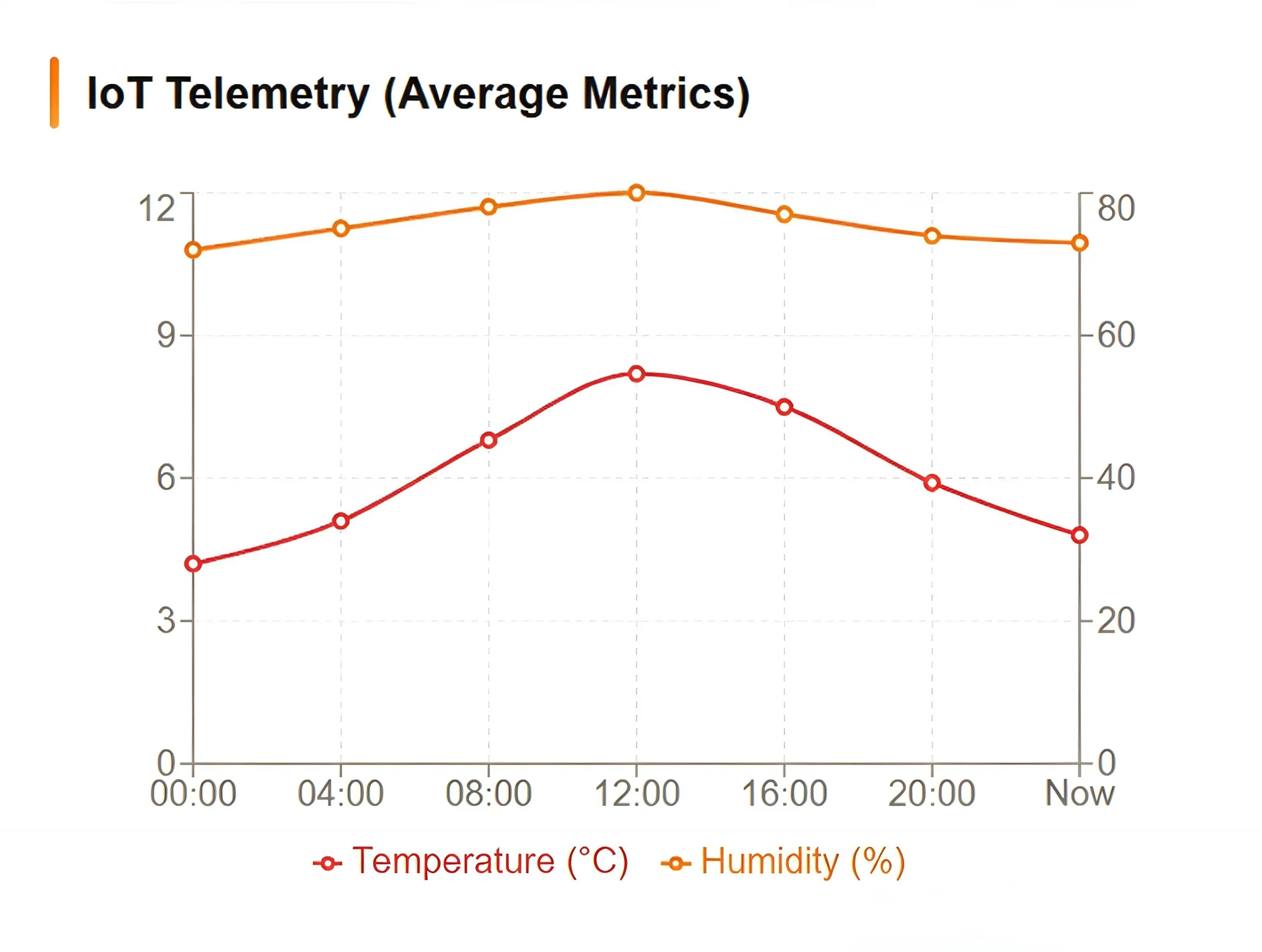
Temperature, humidity, and vibration are continuously tracked and analyzed in real time.
The platform easily adapts to business needs: you can change sensors, expand the architecture, and add new participants.

1 letter per month, no spam
Your comment will appear on the site soon